Upgrade Your Home’s Comfort with Garage Door Insulation Solutions
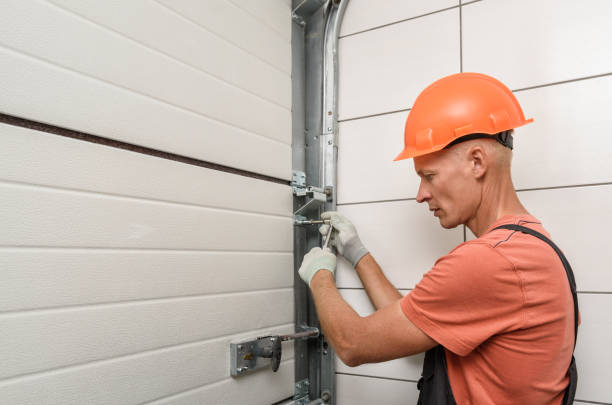
In the quest for optimal home comfort and efficiency, many homeowners often overlook an essential part of their property: the garage. Insulating a garage door can greatly enhance a home’s energy efficiency, reduce noise, and maintain a consistent temperature. As energy costs continue to rise, finding effective garage door insulation solutions becomes increasingly important. This article explores why insulating your garage door is a wise investment and the best materials to use for it.
Why Insulate Your Garage Door?
Garage door insulation offers numerous benefits that can significantly contribute to the overall comfort and energy efficiency of your home. Here are some compelling reasons to consider this upgrade:
- Energy Efficiency: Insulated garage doors help reduce heat loss in winter and keep heat out in summer, leading to lower energy bills.
- Temperature Regulation: A well-insulated garage maintains a more stable temperature, which can be beneficial for both the items stored within and the rooms adjacent to the garage.
- Noise Reduction: Insulation dampens noise from outside, providing a quieter environment inside the garage and the home.
- Durability: Insulated doors tend to be more robust, offering better resistance to wear and tear compared to non-insulated doors.
Choosing the Right Insulation Material
When it comes to insulating garage doors, selecting the right material is crucial. Here are some popular options:
Extruded Polystyrene (XPS)
Extruded polystyrene is a leading choice for garage door insulation due to its excellent thermal properties. It provides high resistance to moisture and is easy to install. This type of insulation is ideal for those looking to enhance energy efficiency without a significant overhaul.
Polyurethane Foam
Polyurethane foam offers superior insulation capabilities, often used in the construction of custom insulated garage doors. It provides a higher R-value per inch than other materials, making it an excellent choice for extreme climates.
Fiberglass Insulation
Fiberglass is a more traditional option, known for its affordability and ease of installation. It is effective in reducing heat transfer and is available in pre-cut batts that fit easily between door panels.
Installation Tips for Insulating a Garage Door
Proper installation is essential to maximize the benefits of garage door insulation. Here are some tips to consider:
- Measure Accurately: Before purchasing insulation materials, measure the garage door to ensure a perfect fit.
- Seal Gaps: For optimal results, ensure that all gaps and cracks around the garage door are sealed to prevent air leakage.
- Secure the Insulation: Use appropriate adhesives or fasteners to secure the insulation material firmly in place, preventing it from shifting over time.
- Check the Garage Door Mechanism: After installing insulation, ensure that the door operates smoothly and that the added weight does not affect the opening and closing mechanism.
Conclusion
Investing in garage door insulation is a practical and cost-effective way to enhance your home’s comfort and efficiency. By choosing the right insulation material and ensuring proper installation, homeowners can enjoy significant energy savings, improved temperature regulation, and a more comfortable home environment. Whether opting for extruded polystyrene insulation or another material, the benefits of insulating a garage door are clear and compelling.
