Why You Should Consider Composting Garbage Disposal
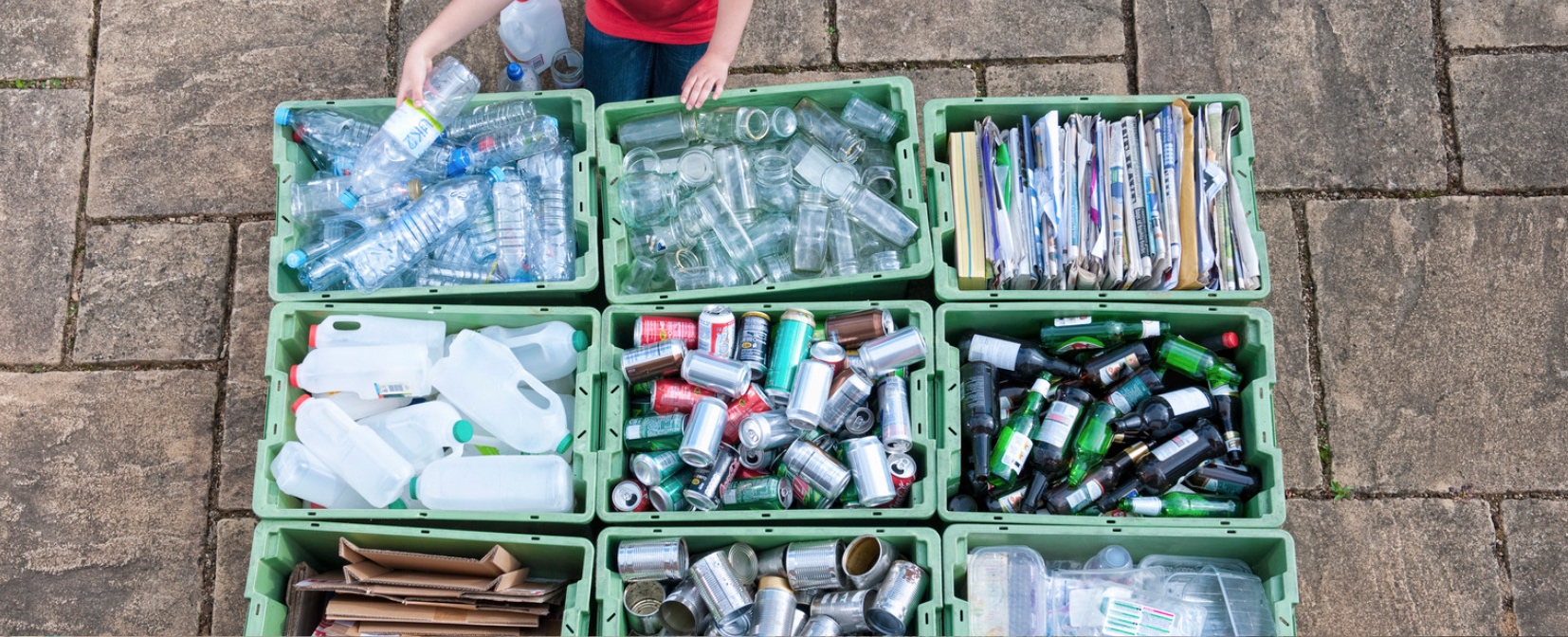
In the modern world, sustainable living is becoming increasingly important. As concerns about environmental impact grow, more individuals and businesses are searching for ways to reduce their carbon footprint. One effective method worth considering is composting garbage disposal. This practice not only minimizes waste but also enriches the soil, promoting a healthier ecosystem. In this article, the benefits of composting garbage disposal will be discussed, offering insight into how this simple act can contribute to a more sustainable future.
The Environmental Benefits of Composting
Composting is a natural process that transforms organic waste into nutrient-rich soil. By choosing to compost, the amount of waste sent to landfills is significantly reduced. This reduction helps to decrease methane emissions, a potent greenhouse gas that contributes to climate change.
- Reduces landfill waste, lowering methane emissions.
- Decreases the need for chemical fertilizers, as compost enriches the soil naturally.
- Helps to retain moisture in the soil, reducing the need for frequent watering.
- Promotes biodiversity by creating a habitat for beneficial microorganisms.
To explore advanced guides and tips on effectively reducing waste through composting, discover expert strategies here.
Composting Methods: Choosing the Right Approach
Backyard Composting
For those with outdoor space, backyard composting is an excellent option. This method involves setting up a compost bin in a designated area, where organic waste can be collected and naturally broken down over time.
- Requires minimal investment in equipment.
- Allows for larger quantities of organic waste to be composted.
- Provides a steady supply of compost for gardening needs.
Find out more about this approach by visiting this comprehensive resource.
Vermicomposting
Vermicomposting utilizes worms to expedite the composting process. This method is ideal for those with limited space or for urban environments.
- Efficiently processes kitchen scraps.
- Produces high-quality compost known as worm castings.
- Requires relatively low maintenance.
To learn about our tailored solutions for vermicomposting, explore the available guides and resources.
Implementing Composting in Urban Areas
Implementing composting in urban areas presents unique challenges, but with the right strategies, it can be successfully integrated into city living. Urban composting often involves community initiatives or private indoor composting systems.
- Community composting programs can be set up in shared spaces.
- Indoor composting systems, such as electric composters, are suitable for apartment dwellers.
- Partnerships with local recycling services can facilitate waste management efforts.
To explore opportunities for urban composting, learn more about effective solutions here.
The Economic Advantages of Composting
Besides environmental benefits, composting offers economic advantages. By reducing the need for commercial fertilizers and decreasing waste disposal costs, composting can lead to significant savings.
- Lower expenditure on waste disposal services.
- Reduction in the purchase of soil amendments and fertilizers.
- Potential revenue from selling excess compost.
For businesses and communities looking to maximize economic benefits, explore advanced strategies and tips here.
In conclusion, composting garbage disposal is a practical, eco-friendly solution that offers numerous benefits. By adopting composting practices, individuals and communities can contribute to environmental sustainability while also enjoying economic advantages. For more detailed information and expert guidance on composting and other waste reduction strategies, visit this comprehensive resource. Embracing composting can lead to positive change, fostering a healthier planet for future generations.
