Make a Statement with Metal Handrails for Concrete Stairs
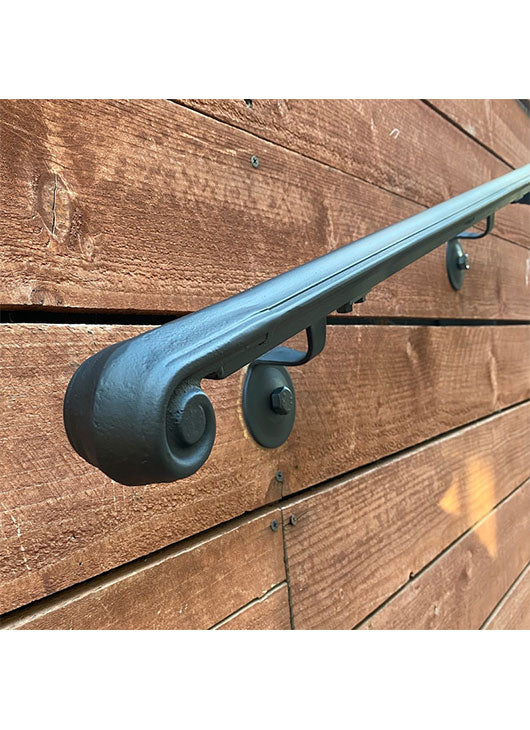
Incorporating metal handrails into the design of concrete stairs not only enhances safety but also elevates the aesthetic appeal of any space. As architectural trends evolve, the demand for sleek and modern designs continues to grow. Metal handrails, renowned for their durability and style, have become a preferred choice among architects and homeowners alike. These handrails provide a unique opportunity to make a statement, transforming ordinary staircases into focal points that capture attention and admiration.
The Advantages of Metal Handrails
Metal handrails offer a multitude of benefits that make them an ideal choice for concrete stairs. Here are some of the key advantages:
- Durability: Metal is inherently strong and capable of withstanding significant wear and tear, making it perfect for both indoor and outdoor applications.
- Low Maintenance: Unlike wood, metal does not require frequent sealing or staining. A simple wipe-down is often enough to keep it looking pristine.
- Design Flexibility: Metal can be molded into a variety of shapes and styles, allowing for customized designs that can complement any architectural style.
- Safety: Robust and reliable, metal handrails provide the necessary support for users, reducing the risk of accidents.
For those interested in understanding the structural and aesthetic benefits more deeply, learn about our tailored solutions.
Design Considerations
Material Choices
When selecting metal handrails, the choice of material is crucial. Common options include stainless steel, wrought iron, and aluminum. Each material offers distinct properties:
- Stainless Steel: Known for its resistance to corrosion, stainless steel is ideal for both indoor and outdoor installations.
- Wrought Iron: Offers a classic look with intricate detailing, perfect for traditional and formal settings.
- Aluminum: Lightweight yet sturdy, aluminum is great for modern designs and is particularly easy to install.
To explore which material best suits your project, discover expert strategies here.
Style and Aesthetics
Metal handrails come in various styles, from minimalist and contemporary to ornate and traditional. When choosing a style, consider the following:
- Matching the Architecture: Ensure the handrail design complements the existing architectural elements of the building.
- Color and Finish: Opt for finishes that enhance the overall aesthetic, such as brushed, polished, or powder-coated.
- Customization: Custom designs can incorporate unique patterns or logos, adding a personal touch to the installation.
For more insights on incorporating style into your handrail designs, explore advanced guides and tips.
Installation and Compliance
Ensuring that metal handrails are installed correctly is crucial for both functionality and safety. Here are some important considerations:
- Professional Installation: Engage experienced professionals to ensure precise measurements and secure installation.
- Building Codes: Comply with local building codes and regulations to ensure safety standards are met.
- Regular Inspections: Conduct periodic inspections to maintain the structural integrity of the handrails.
For guidance on meeting these standards, find out more about this approach.
Conclusion
Metal handrails for concrete stairs are more than just a safety feature; they are a design element that can transform the look and feel of any space. Whether prioritizing durability, aesthetic appeal, or customization, metal handrails offer a versatile solution that meets diverse design needs. By selecting the right material, style, and professional installation, the result is a stunning staircase that stands the test of time. For those seeking to make a bold statement with their stair design, metal handrails are an indisputable choice.
