The Advantages of Remote Patient Monitoring Devices
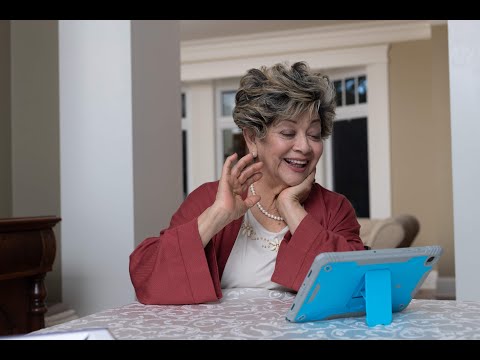
In recent years, technology has revolutionized the healthcare industry, leading to significant advancements in patient care. One of the most impactful developments has been the advent of remote patient monitoring (RPM) devices. These devices facilitate the continuous observation of patients’ health outside of traditional clinical settings, providing a plethora of benefits for healthcare providers and patients alike. As healthcare systems globally strive to enhance efficiency and patient outcomes, the integration of remote patient monitoring devices has become a pivotal component of modern healthcare strategies.
Enhanced Patient Engagement
Remote patient monitoring devices empower patients to take an active role in managing their health. By providing real-time data on various health parameters, these devices encourage individuals to engage with their health metrics more frequently. This increased engagement can lead to better adherence to treatment plans and healthier lifestyle choices. Patients are more informed about their health status and can make timely decisions, which can significantly impact their overall well-being.
Improved Access to Healthcare
For individuals living in remote areas or those with mobility issues, accessing healthcare can be challenging. Remote patient monitoring devices bridge this gap by enabling continuous monitoring without the need for frequent hospital visits. This accessibility ensures that patients receive timely interventions, reducing the risk of complications and hospital readmissions.
Cost-Effectiveness
The implementation of remote patient monitoring can lead to significant cost savings for both healthcare providers and patients. Here are a few ways these devices contribute to cost-effectiveness:
- Reduction in hospital readmissions and emergency room visits.
- Decreased need for in-person consultations, saving time and travel expenses.
- Early detection of potential health issues, preventing costly interventions.
Data-Driven Care
The data collected by remote patient monitoring devices provides invaluable insights for healthcare professionals. This data-driven approach allows for personalized treatment plans tailored to individual patient needs. By analyzing trends and patterns in health data, providers can make informed decisions, ultimately enhancing the quality of care delivered.
Continuous Monitoring
Continuous monitoring is one of the standout features of remote patient monitoring devices. Unlike intermittent check-ups, continuous data collection offers a comprehensive picture of a patient’s health over time. This constant flow of information helps in the early detection of anomalies, allowing for prompt and effective interventions.
Challenges and Considerations
While the benefits of remote patient monitoring are significant, there are challenges to consider. Privacy and data security are paramount, as sensitive health information is transmitted electronically. Ensuring robust security measures and compliance with regulations is essential to protect patient data.
Additionally, the effectiveness of remote patient monitoring relies on patients’ ability and willingness to use the devices as intended. Providing adequate training and support can help mitigate these barriers, ensuring patients can fully benefit from this technology.
The advent of remote patient monitoring devices marks a significant step forward in healthcare delivery. By enhancing patient engagement, improving access, reducing costs, and enabling data-driven care, these devices hold the potential to transform the healthcare landscape. As technology continues to evolve, the role of remote patient monitoring will undoubtedly expand, offering even greater benefits to both patients and healthcare providers.
